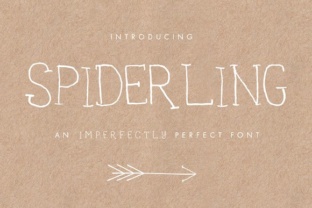
Spiderling in Graphic Design
Spiderling is more than just a visual element; it's a powerful tool that can elevate your design work and bring a fresh perspective to your creative projects. In the fast-paced world of graphic design, where every detail matters, Spiderling offers unique opportunities to enhance visual storytelling and brand presence.
When integrated thoughtfully, Spiderling can contribute to a cohesive visual language that resonates with your target audience. Its adaptability makes it a valuable asset across various design disciplines, from branding to digital marketing. Understanding how to leverage its potential can significantly impact the effectiveness of your design solutions.
Spiderling in Branding and Logo Design
In branding, consistency is key, and Spiderling can help establish a strong visual identity. Whether you're creating a logo or developing a color palette, incorporating Spiderling elements can add depth and intrigue. It encourages a balance between simplicity and complexity, making your brand stand out in a crowded market.
For logo design, Spiderling can serve as a subtle motif that reinforces your brand’s message. By using it in conjunction with typography and color, you can create a memorable and distinctive look that aligns with your brand’s values and personality.
Applications Across Creative Fields
Spiderling finds its place in a wide range of design applications. From social media content to website UI design, it can be used to guide user interaction and enhance visual appeal. In editorial layouts, it can break up text and draw attention to key points, improving readability and engagement.
Consider how Spiderling can be applied to packaging design or advertising campaigns. It can act as a visual anchor, reinforcing your brand’s identity while capturing the viewer’s attention. In presentations and merchandise, it adds a layer of sophistication that elevates the overall aesthetic.
- Brand Identity
- Logo Design
- Social Media Graphics
- Web and UI Design
- Editorial Layouts
- Packaging Design
- Advertising Campaigns
- Presentations
- Merchandise
- Digital Products
Best Practices for Using Spiderling
To make the most of Spiderling, focus on factors like consistency, scalability, and visual hierarchy. Ensure that it complements your existing design system and doesn’t overshadow other essential elements. A well-placed Spiderling can enhance the flow of your design without causing distraction.
When selecting design assets, consider the context in which they will be used. Spiderling should support the message you want to convey, not complicate it. Evaluate its readability and compatibility with different platforms and mediums to ensure a seamless user experience.
Typography, color, and composition all play a role in how effectively Spiderling integrates into your designs. Experiment with different styles and combinations to find what works best for your project. The goal is to create a polished and professional result that aligns with your creative vision.
By embracing Spiderling as part of your design workflow, you open up new possibilities for innovation and expression. Thoughtful design choices can transform your work, making it more engaging, effective, and impactful. Whether you're working on a small project or a large-scale campaign, the right use of Spiderling can make all the difference.